Page 1 of 5
Language density and the gold plates
Posted: Wed May 15, 2013 4:58 pm
by _Stormy Waters
So I don't want to derail FenceSitter's thread, but I have a question about the Gold plates and reformed Egyptain.
Are there any good articles done on how dense reformed Egyptian would have to be to fit on the Gold plates? By dense I mean the amount of information conveyed compared to the size of the characters/words.
When you take the reported size of the plates and take into account the lost 116 pages and the sealed portion can the content of the Book of Mormon fit into the remaining space? There are variables like how thin can each plate be, and the size of each character on the plates. If reformed Egyptain resembles ancient Egyptain it seems it would be very difficult to carve in really small letters.
I imagine the thinking has already been done on this topic, but can someone link me to it?
Since it's reformed Egyptain I imagine it will become as dense as apologists need it to be, but I'm still curious.
My apologies for asking on the board, but I'm not even sure how to phrase it to find it.
Re: Language density and the gold plates
Posted: Wed May 15, 2013 5:03 pm
by _Fence Sitter
Take a look at the KEP and how Joseph Smith would extract paragraphs from single characters.
Ironically by trying to separate the KEP from Joseph Smith and the Book of Abraham, apologist are loosing what might be the only explanation for the question you just asked, at least from Joseph Smith's point of view.
Re: Language density and the gold plates
Posted: Wed May 15, 2013 5:09 pm
by _Stormy Waters
Fence Sitter wrote:Take a look at the KEP and how Joseph Smith would extract paragraphs from single characters.
Although we know the KEP translation is wrong, is there any existing language or past language that is so dense that each character translates into the equalivalent of an English paragraph? Is there anything that even comes close?
Re: Language density and the gold plates
Posted: Wed May 15, 2013 5:15 pm
by _SteelHead
Reformed Egyptians inherently includes lossless compression.
Re: Language density and the gold plates
Posted: Wed May 15, 2013 5:20 pm
by _Detlef Schrempf
SteelHead wrote:Reformed Egyptians inherently includes lossless compression.
The reformed Egyptians were a very succinct people. Living in reformed Egypt will do that to you.
Re: Language density and the gold plates
Posted: Wed May 15, 2013 5:26 pm
by _Chap
Here's a picture of a reforming Egyptian:
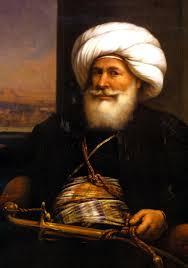
Does that help at all?
Re: Language density and the gold plates
Posted: Wed May 15, 2013 5:30 pm
by _SteelHead
I need to proofread better ;).
Nephi's weakness was the language he was engraving, mine is autocorrect. It is my nemesis. I should refrain from posting from my phone.
Re: Language density and the gold plates
Posted: Wed May 15, 2013 5:42 pm
by _Quasimodo
Stormy Waters wrote:So I don't want to derail FenceSitter's thread, but I have a question about the Gold plates and reformed Egyptain.
Are there any good articles done on how dense reformed Egyptian would have to be to fit on the Gold plates? By dense I mean the amount of information conveyed compared to the size of the characters/words.
When you take the reported size of the plates and take into account the lost 116 pages and the sealed portion can the content of the Book of Mormon fit into the remaining space? There are variables like how thin can each plate be, and the size of each character on the plates. If reformed Egyptain resembles ancient Egyptain it seems it would be very difficult to carve in really small letters.
I imagine the thinking has already been done on this topic, but can someone link me to it?
Since it's reformed Egyptain I imagine it will become as dense as apologists need it to be, but I'm still curious.
My apologies for asking on the board, but I'm not even sure how to phrase it to find it.
Well, if Joseph Smith meant Hieratic when he said Reformed Egyptian it might be easier to engrave those symbols onto metal plates. I don't think that Hieratic gets one a compressed language, though. It still leaves you with the problem of not enough room to write as many characters as you need to tell the story in the available space.
As far as I know, there is no real Egyptian form of writing that does that. Ideograms can do that. Each symbol represents a concept. But, those are only found in asian scripts (Chinese, Japanese, etc.). Hieroglyphic and Hieratic systems use phonetic symbols similar to our alphabet. Each symbol represents a sound (with some rare exceptions).
Joseph Smith would have done better to claim the Golden Plates were translated from Japanese.
Re: Language density and the gold plates
Posted: Wed May 15, 2013 6:59 pm
by _Tobin
You can get high language density out of Chinese. I would assume the same is true for any pictographic language. In chinese, a phrase, concept or word can be expressed with a single character. So I fail to see why you wouldn't get just the same results if you did the same thing by taking hebrew words and replaced them with pictographic characters in Egyptian.
Re: Language density and the gold plates
Posted: Wed May 15, 2013 7:18 pm
by _Quasimodo
Tobin wrote:You can get high language density out of Chinese. I would assume the same is true for any pictographic language. In chinese, a phrase, concept or word can be expressed with a single character. So I fail to see why you wouldn't get just the same results if you did the same thing by taking hebrew words and replaced them with pictographic characters in Egyptian.
Except that Egyptian hieroglyphs are not pictographs (ideograms, see above). Hieroglyphs are phonetic. Each one represents a sound just like our alphabet.
Have some fun. Write your name in hieroglyphs:
http://www.eyelid.co.uk/hieroglyphic-typewriter.html